%2Ffit-in%2F250x250%2Fguide_websites%2F11906%2Fimages%2F1.jpg&w=1920&q=100)
Caught King Mackerel Offshore in West Palm Beach
King Mackerel Fishing in West Palm Beach
5.0

2 Reviews
- 5
 100%
100% - 4
 0%
0% - 30%
- 20%
- 10%
%2F%2Fusers%2F4fc0aacd-b58e-4962-9b9d-56eb8294b15b%2Fimages%2Fking-mackerel-fishing-west-palm-6140.png&w=1920&q=75)
The Scomberomorus Cavalla belongs to the order Perciformes and family Scombridae. It typically measures between 19 and 72 inches in length, with a weight range from 10 to 20 lbs. Habitat: onshore, nearshore, offshore, reef, wreck. - Also known as Spanish Mackerel or Kingfish. - Migratory species found in Gulf of Mexico and Atlantic Ocean. - Features small, loosely attached scales across entire body. - Dorsal fin folds back into groove when not in use.
Fishing Charter by Captain Neil Linkmeyer in December
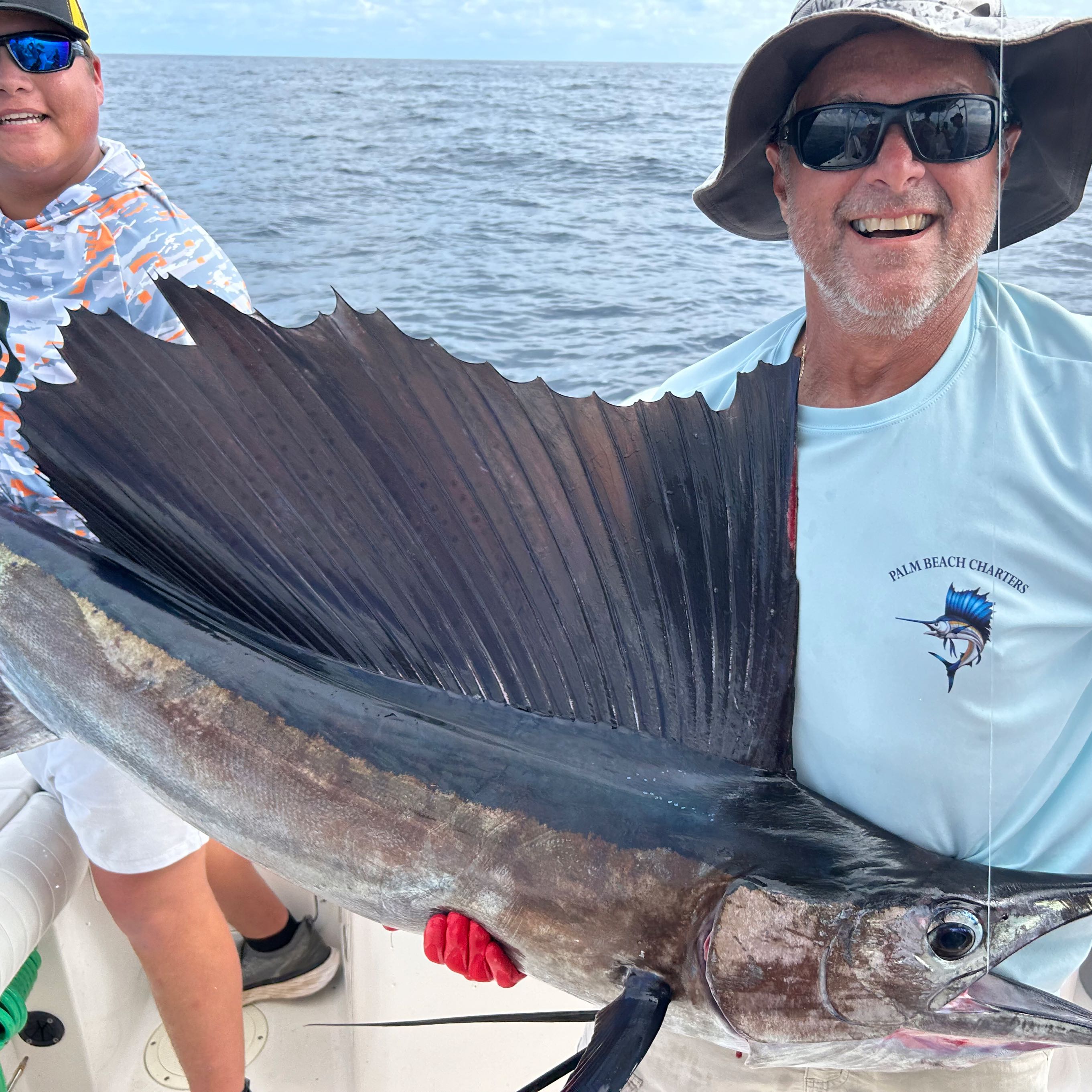
Meet your Captain Neil Linkmeyer
- Book Your Fishing Charter with Palm Beach Charters



Summary
Captain Neil Linkmeyer of Palm Beach Charters on Thursday November delivered excellent offshore action targeting King Mackerel and Scup using bottom fishing and drift fishing techniques. This 3-hour fishing charter provides quick access to productive West Palm Beach reefs where anglers consistently hook into Snapper, Grouper, and Kingfish. With all tackle, bait, and licenses included, our reef fishing trips maximize your time on the water with expert local knowledge. The backcountry reefs hold excellent fish year-round, and partly cloudy conditions made for perfect fishing weather as we worked multiple spots between the inlet and offshore structures.
Fishing Charter with Captain Neil Linkmeyer – Rates & Booking
Captain Neil Linkmeyer of Palm Beach Charters on Thursday November offers this productive 3-hour bottom fishing experience for $450 per trip, accommodating up to 3 guests. All tackle, bait, and fishing licenses are included with your booking. We depart early morning from the Palm Beach inlet, giving you direct access to productive reef systems where King Mackerel, Snapper, and Grouper feed consistently. Book online or call to reserve your spot with our licensed guide who knows these waters inside and out.
Highlights of Bottom Fishing Charter West Palm Beach – Snapper, Grouper & Kingfish
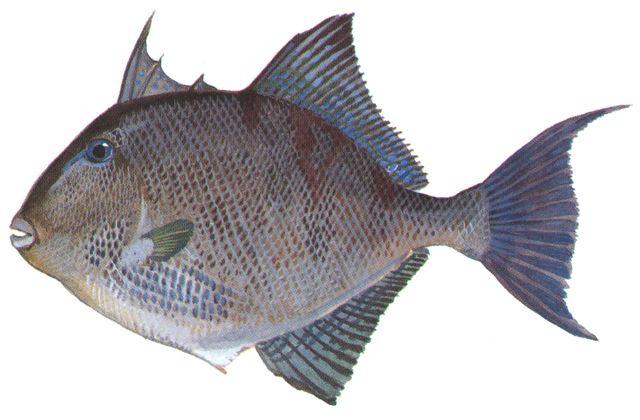
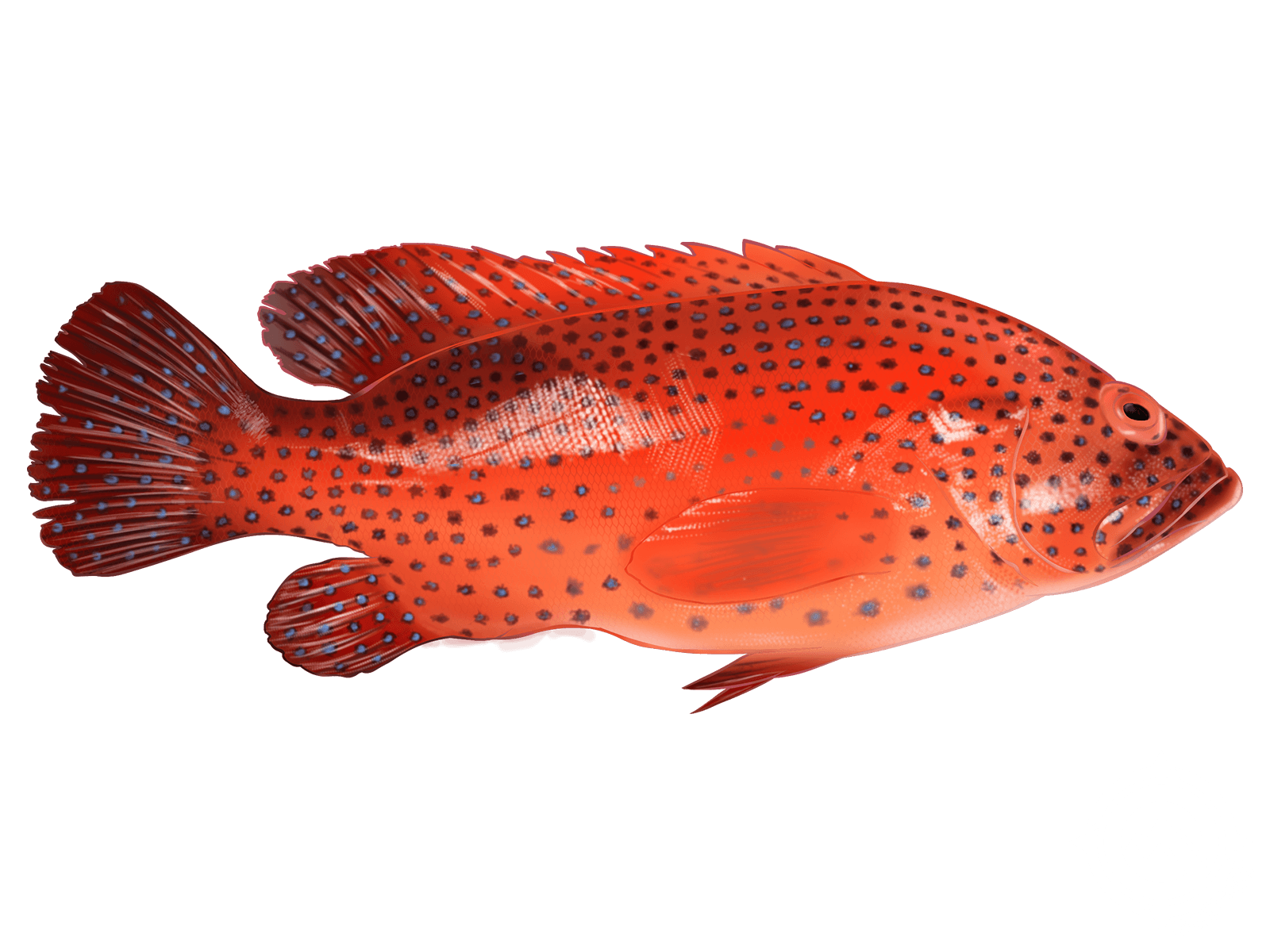
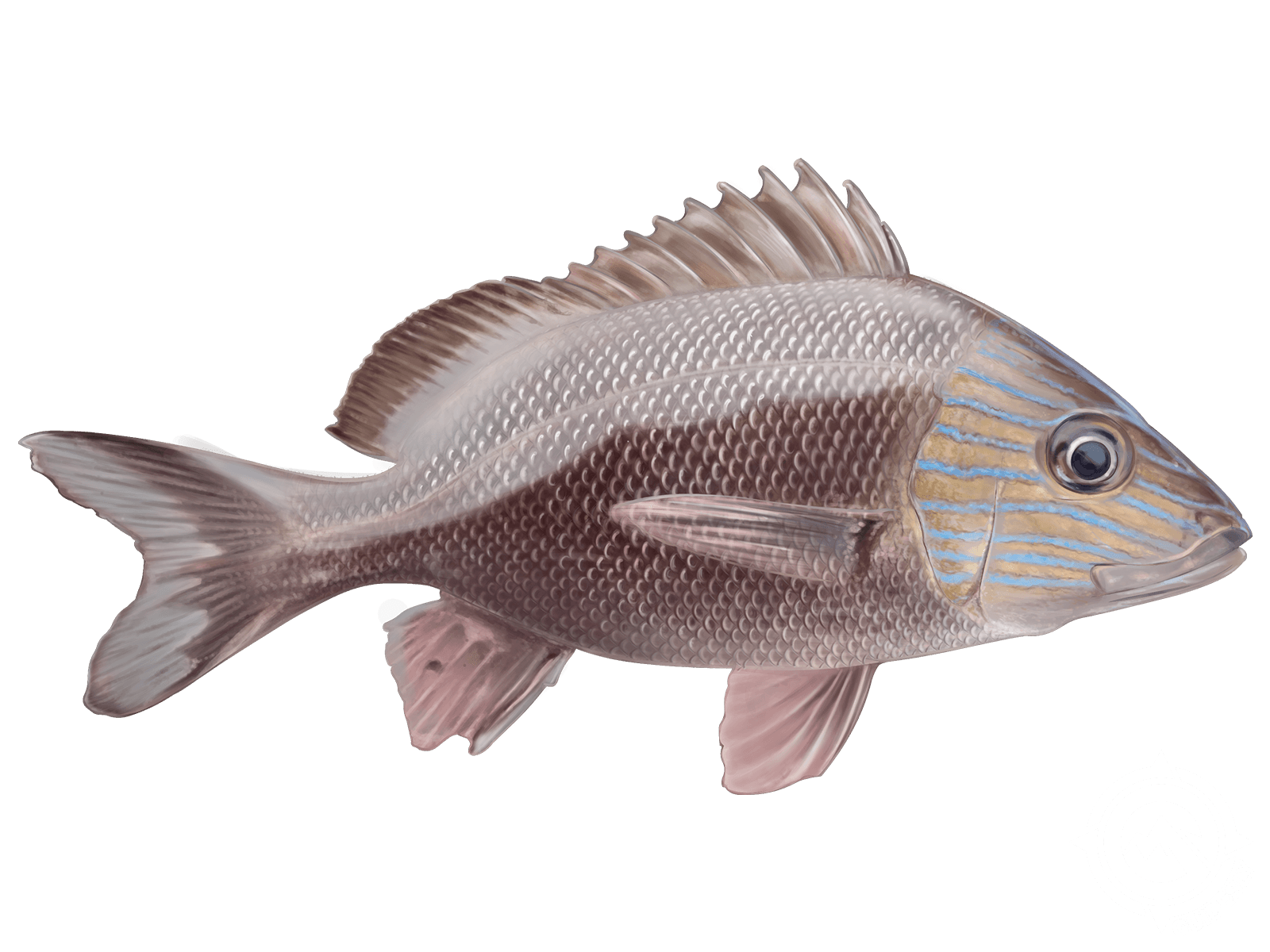
This charter targets multiple species using bottom fishing, drift fishing, and reef fishing techniques just outside Palm Beach inlet. King Mackerel action heats up when we work the deeper reefs, while Mutton Snapper, Yellowtail Snapper, and Grouper hold tight to the bottom structure. The quick access to productive reefs means more time with bent rods and less time running to spots.
Perfect for beginners and seasoned anglers, this personalized experience keeps groups small at just three guests maximum. Triggerfish and Kingfish round out the mixed bag when conditions align, making every trip a productive adventure on West Palm Beach's excellent offshore waters.
Local Species Insights: King Mackerel
King Mackerel patrol West Palm Beach reefs year-round, with peak action during fall and winter months when baitfish concentrate near offshore structure. These aggressive predators respond well to deep sea jigging and trolling techniques, especially around the 60-80 foot reefs where they ambush schools of sardines and ballyhoo. November brings excellent King Mackerel fishing as water temperatures stabilize and the fish feed heavily before their winter migration patterns kick in.
Plan Your Fishing Charter Day
Your 3-hour trip includes a well-equipped charter boat with all necessary tackle, fresh bait, and fishing licenses handled for you. We accommodate up to 3 guests comfortably, ensuring everyone gets plenty of rod time and personalized instruction. Early morning departures take advantage of the best bite times, and our local knowledge gets you on fish quickly with efficient moves between productive spots.
Fishing in West Palm Beach: Scup and King Mackerel
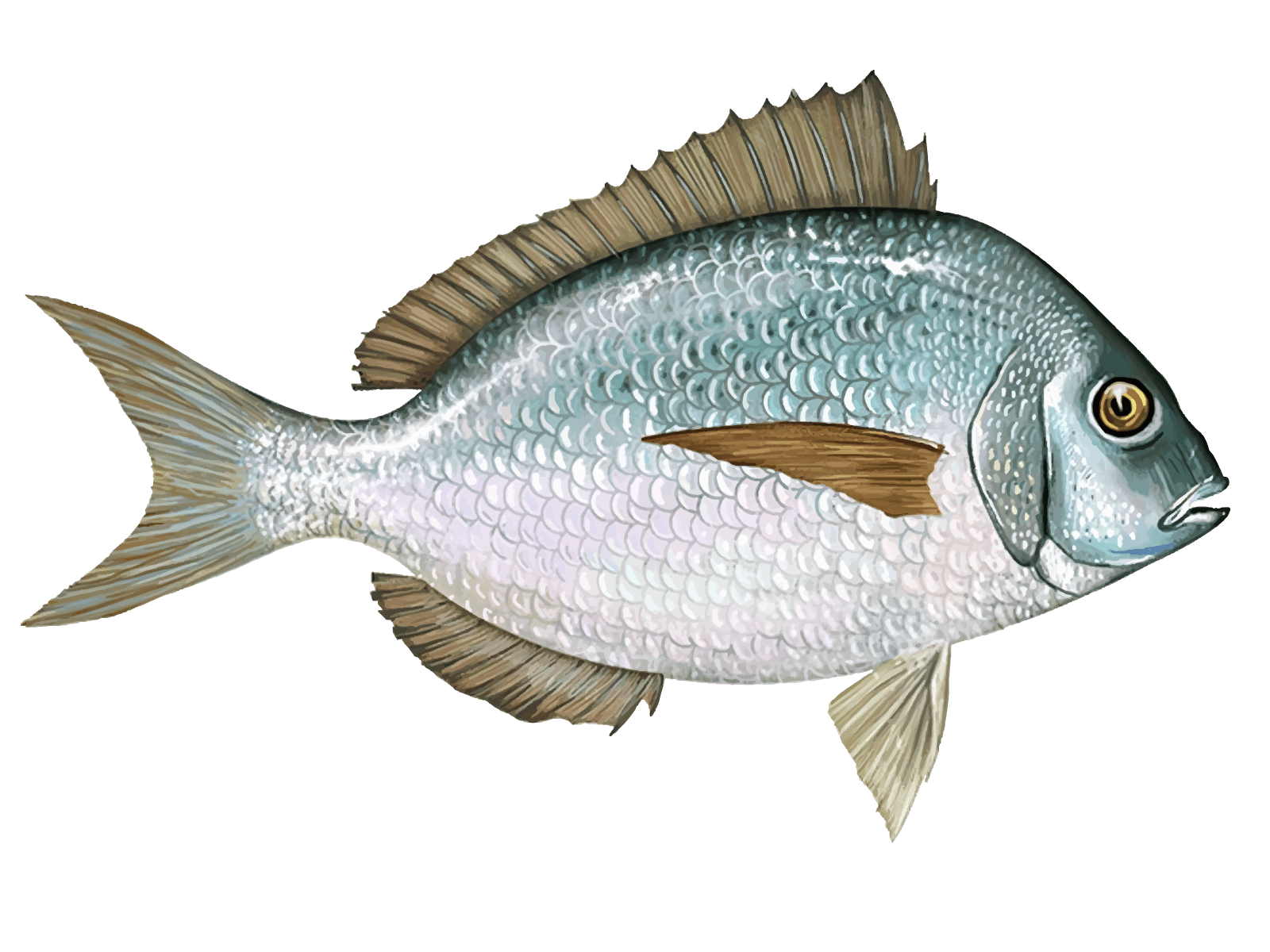
King Mackerel (Scomberomorus cavalla), also known as Kingfish, belongs to the Scombridae family within the order Perciformes. This highly prized gamefish features small, loosely attached scales across its streamlined body and a distinctive dorsal fin that folds back into a groove. In West Palm Beach waters this November, King Mackerel patrol the offshore reefs where Captain Neil's charters consistently find them feeding.
King Mackerel Overview
King Mackerel are aggressive predators valued by anglers for their speed, fighting ability, and excellent table fare. These migratory fish move along the Atlantic coast and Gulf of Mexico, following baitfish concentrations and temperature breaks that create ideal feeding conditions.
King Mackerel Habitat and Distribution
King Mackerel inhabit onshore, nearshore, offshore, reef, and wreck environments throughout their range. Around West Palm Beach, they concentrate near the 60-80 foot reefs where structure attracts baitfish schools and creates ambush opportunities.
King Mackerel Size and Weight
These fish typically range from 19 to 72 inches in length, with weights between 10 and 20 pounds being common. Trophy specimens can exceed these averages, particularly during peak feeding periods when they bulk up on abundant baitfish.
King Mackerel Diet and Behavior
King Mackerel feed primarily on sardines, ballyhoo, blue runners, and other schooling baitfish. They hunt in small groups, using their speed to corral prey against structure or in open water. Peak feeding occurs during dawn and dusk hours when baitfish are most active.
King Mackerel Spawning Season
Spawning occurs in warmer months when water temperatures reach optimal levels. During fall months, King Mackerel feed heavily to prepare for spawning migrations, making November an excellent time to target them around West Palm Beach reefs.
King Mackerel Fishing Techniques
Effective methods include deep sea jigging with vertical jigs, trolling with live bait or lures, and drift fishing with cut bait near structure. In November, anglers around West Palm Beach find success working the reef edges with live sardines and blue runners, especially during moving tides.
King Mackerel Is It Good to Eat?
King Mackerel offers firm, flaky white meat with a mild flavor when properly prepared. Rich in protein and omega-3 fatty acids, it grills, blackens, or bakes excellently. Smaller fish typically have the best texture and flavor for table fare.
King Mackerel Frequently Asked Questions
Q: What is the best bait for King Mackerel?
A: Live sardines, blue runners, and ballyhoo work exceptionally well, along with cut bait and vertical jigs when fish are holding deep near structure.
Q: Where can I find King Mackerel near West Palm Beach?
A: The 60-80 foot reefs just outside Palm Beach inlet hold King Mackerel consistently, especially around structure where baitfish concentrate.
Q: Is King Mackerel good to eat?
A: Yes, King Mackerel provides excellent table fare with firm, white meat that's high in protein and omega-3s. Smaller fish typically offer the best flavor and texture.
Q: When is the best time to catch King Mackerel?
A: Fall and winter months offer peak action around West Palm Beach, with November being particularly productive as fish feed heavily before migration patterns change.
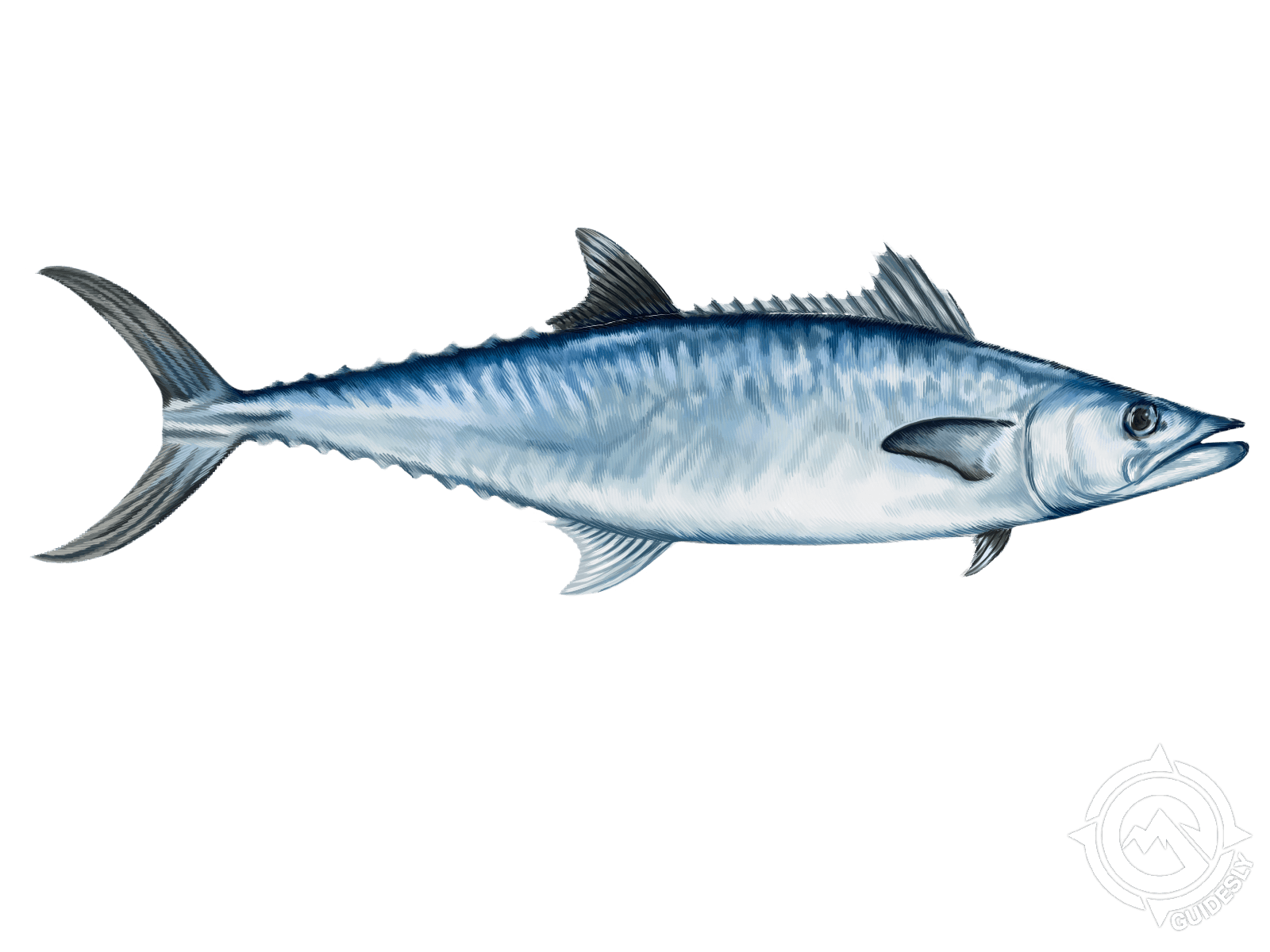
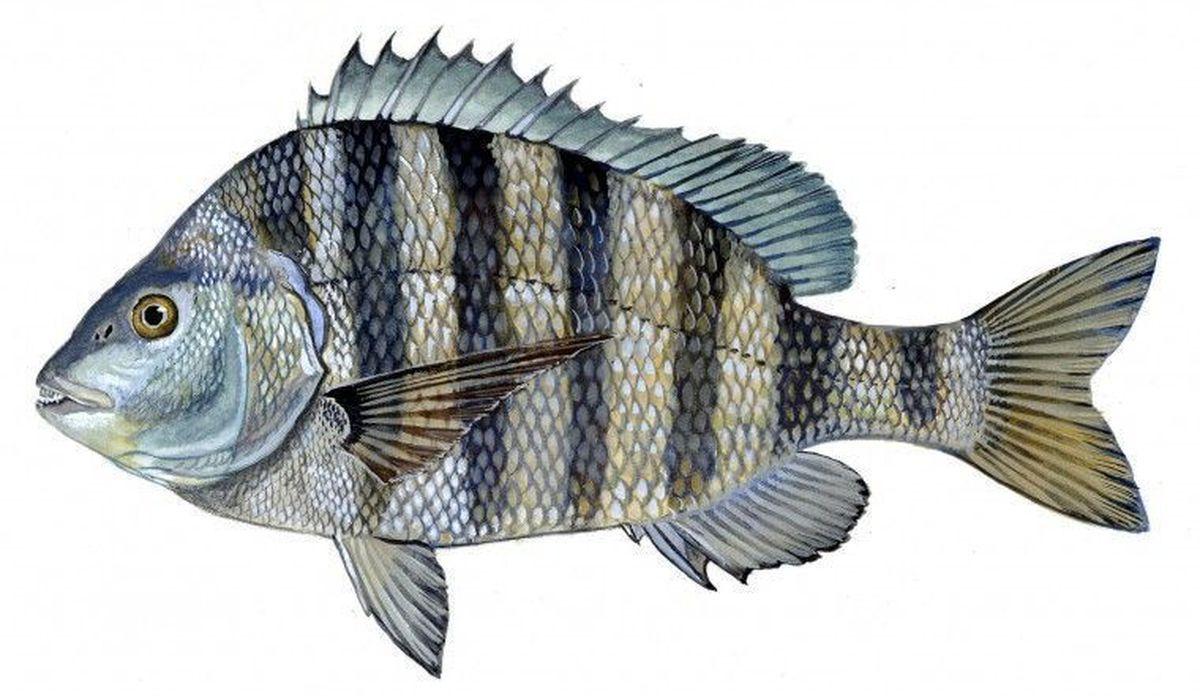
Scup (Stenotomus chrysops), commonly called porgy, belongs to the Sparidae family within the order Perciformes. This medium-sized fish features a tall, compressed body with brown coloration and distinctive iridescent silver scales that reflect rainbow colors. Around West Palm Beach reefs this November, Scup provide consistent action for bottom fishing enthusiasts.
Scup Overview
Scup are popular among anglers for their willingness to bite and excellent table quality. These reef dwellers use their small mouths and strong jaws to crush small shells and crustaceans, making them effective bottom feeders around structure.
Scup Habitat and Distribution
Scup inhabit onshore, nearshore, and reef environments where they feed on bottom-dwelling invertebrates. They concentrate around hard bottom areas, wrecks, and natural reefs where food sources are abundant and structure provides protection.
Scup Size and Weight
These fish typically range from 10 to 18 inches in length, with weights between 2 and 4 pounds being standard. They can live up to 20 years, allowing some individuals to reach the upper end of their size range.
Scup Diet and Behavior
Scup feed primarily on small crustaceans, mollusks, worms, and other bottom-dwelling invertebrates. Their narrow, pointed teeth are perfectly designed for crushing small shells, and they often feed in schools around productive bottom areas.
Scup Spawning Season
Spawning occurs during warmer months when water temperatures are optimal. During fall feeding periods, Scup concentrate around reefs to build energy reserves, making them more accessible to anglers targeting bottom species.
Scup Fishing Techniques
Bottom fishing with small hooks and light tackle works best for Scup. Effective baits include squid strips, clams, marine worms, and small crabs. In November, anglers around West Palm Beach find them holding tight to reef structure during slack tide periods.
Scup Is It Good to Eat?
Scup offers sweet, firm white meat that's excellent for the table. Low in mercury and high in protein, they fry, bake, or grill beautifully. Their manageable size makes them perfect for whole fish preparations.
Scup Frequently Asked Questions
Q: What is the best bait for Scup?
A: Squid strips, clam pieces, and marine worms work exceptionally well. Small hooks and light tackle help detect their subtle bites.
Q: Where can I find Scup near West Palm Beach?
A: Look for them around hard bottom areas, natural reefs, and structure where they feed on bottom-dwelling invertebrates and small crustaceans.
Q: Is Scup good to eat?
A: Yes, Scup provides excellent table fare with sweet, firm white meat that's low in mercury and high in protein. They're perfect for whole fish preparations.
Q: When is the best time to catch Scup?
A: Fall months like November offer excellent Scup fishing as they concentrate around reefs to feed heavily before winter, making them more accessible to bottom fishing techniques.
More species you can explore on this trip
Palm Beach Charters Available Trips
Other customer memories from this trip
Ready for a productive half-day on the water? This 3-hour West Palm Beach charter gets you straight to the action. Just beyond the Palm Beach inlet, you'll drop lines over prime reef spots teeming with tasty bottom-dwellers. We're talking Mutton and Yellowtail Snapper, hefty Grouper, colorful Triggerfish, and even the chance for some high-flying Kingfish when conditions are right. With only three guests max, you'll get plenty of hands-on guidance whether you're a first-timer or an old salt. No need to fuss with gear or licenses - we've got you covered with quality tackle, fresh bait, and all the paperwork sorted. It's the perfect option if you're short on time but still want to experience some of Florida's best offshore fishing. Just remember, deposits are non-refundable, so be sure you're good to go before booking. Now let's go catch some fish!